Rodent Smoke Test Testimonials: A Comprehensive Overview to Its Effectiveness in Insect Administration
Rodent smoke tests represent a cutting-edge method in pest management, employing non-toxic smoke to uncover concealed rodent entry points and nests. This approach has revealed promising results, with lots of experts keeping in mind significant decreases in rodent populaces following its application. However, comprehending the complete range of its effectiveness needs a much deeper exploration of the underlying scientific research and real-world applications. What various other insights might arise regarding this one-of-a-kind pest control approach?
Understanding the Rodent Smoke Test
The rodent smoke examination is a necessary treatment utilized to review the efficiency of insect control actions in various environments. This approach entails introducing a non-toxic smoke right into a space to track the pathways rodents might make use of, aiding to recognize surprise entry factors and nesting locations. By observing the smoke's motion, parasite control experts can establish exactly how well traps and barriers are functioning.
Generally utilized in both residential and commercial setups, the test can disclose underlying issues that might not be noticeable with standard evaluation approaches (Rodent Smoke Test). It functions as an essential device for developing targeted techniques to eliminate rodent infestations
Furthermore, the rodent smoke test help in validating the effectiveness of previously carried out control actions, making certain that the pest administration plan is working as meant. Eventually, it provides important insights that add to an all-encompassing approach to rodent control.
The Science Behind the Approach
While different insect control approaches exist, the rodent smoke examination attracts attention because of its scientific structure in liquid dynamics and behavioral ecology. This approach utilizes smoke to map the pathways rodents use to navigate their atmosphere. By launching smoke in certain locations, insect control specialists can observe just how it disperses with cracks, crevices, and hidden access factors, disclosing prospective problems.
Behavior ecology plays a vital function in recognizing rodent reactions to stimuli. Rats are normally interested and will certainly often examine brand-new aromas or adjustments in their environment. The smoke examination exploits on this actions, allowing parasite controllers to determine active locations and breeding sites. In addition, the presence of smoke aids in figuring out the effectiveness of securing methods, ensuring detailed parasite monitoring. Eventually, the rodent smoke examination merges principles from both liquid dynamics and pet actions to give a trustworthy evaluation device in parasite monitoring approaches.
Step-by-Step Process of Carrying Out a Rodent Smoke Examination
The process of carrying out a rodent smoke test requires details equipment and materials to guarantee precision and security. Following a methodical treatment is crucial for effective outcomes, while adhering to security precautions safeguards both the environment and the tester. Comprehending these crucial elements is essential for effective execution of the examination.
Needed Equipment and Products
To efficiently perform a rodent smoke examination, several essential items of devices and products are necessary to ensure exact results. Initially, a smoke-producing gadget, such as a smoke pencil or smoke bomb, is essential for creating visible smoke (Rodent Smoke Test). A tough ladder is often needed to reach high areas where rodents might hide. Furthermore, sealable bags or containers ought to be on hand to gather any kind of particles or droppings discovered during the test. A flashlight is additionally handy for examining dark areas. Safety and security equipment, consisting of gloves and a mask, is suggested to protect against breathing of smoke or call with impurities. Lastly, a notebook or digital tool is necessary for recording observations and findings throughout the screening procedure
Smoke Test Procedure Steps
Performing a rodent smoke examination includes an organized method to ensure thoroughness and effectiveness. The procedure starts with preparing the area, making sure that all potential entry points are recognized and accessible. Next off, the service technician sets up the smoke generation equipment, ensuring it is positioned purposefully to take full advantage of insurance coverage. Once every little thing is in location, the smoke is launched into the targeted areas, enabling it to permeate through wall surfaces, ducts, and other structures. Observations are made to track the smoke's activity, identifying any kind of voids or violations where it gets away, suggesting prospective rodent entry factors. After the test, the following action is to assess the findings, recording any kind of locations requiring further inspection or remediation to boost parasite management initiatives.
Safety Precautions to Follow
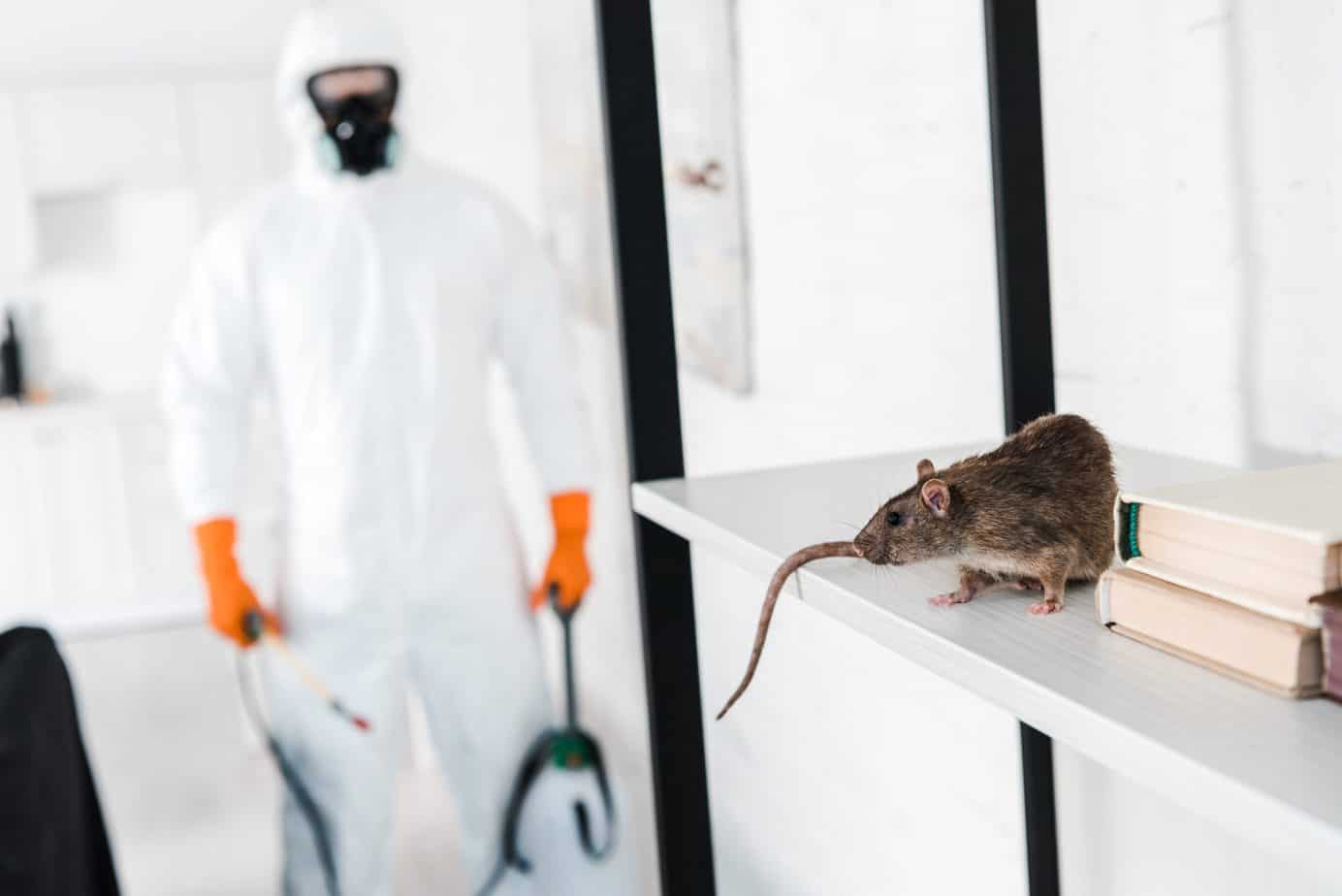
Ensuring security throughout a rodent smoke examination is important for both the setting and the service technician. Technicians should use proper personal safety equipment (PPE), consisting of masks, handwear covers, and safety glasses, to lessen direct exposure to chemicals. Before conducting the examination, it is imperative to aerate the location appropriately to spread any type of dangerous fumes. Professionals must also verify that no flammable materials are existing close by, as smoke examinations can entail warmth resources. In addition, it is necessary to inform citizens or nearby individuals about the procedure to stay clear of panic or health and wellness dangers. Adhering to regional guidelines regarding chemical usage and disposal is needed to shield the environment and preserve conformity with security standards.
Setting Advantages of Utilizing the Rodent Smoke Test
Numerous internet methods exist for finding rodent problems, the Rat Smoke Test uses distinct advantages that set it apart. Primarily, this approach enables a comprehensive examination of a building in a brief amount of time. By utilizing smoke to envision entrance points, it efficiently reveals concealed paths that rodents might make use of, making it simpler for parasite monitoring experts to deal with infestations.
Furthermore, the Rodent Smoke Examination is non-invasive, reducing disturbance to the building and its passengers. This approach additionally boosts the accuracy of recognizing problems, as it highlights locations of worry that could be forgotten with standard techniques. It supplies prompt outcomes, making it possible for prompt activity to be taken versus any kind of determined concerns.
Limitations and Considerations
Real-Life Situation Studies and Reviews
Real-life instance studies and reviews give useful understandings into the efficiency of rodent smoke tests. Success stories highlight significant parasite control experiences, demonstrating how these tests have actually settled invasions in various setups. In addition, insights from area experts highlight the dependability and usefulness of this technique in bug monitoring.
Success Stories in Activity
While several products guarantee effective rodent control, real success stories reveal truth impact of smoke examinations in various setups. A New York City dining establishment encountered repeating rodent invasions, prompting administration to carry out smoke tests. Adhering to the treatment, they reported a significant decrease in rodent sightings and a more hygienic environment. In one more situation, a country house owner struggled with persistent computer mice in their attic room. After utilizing smoke screening, the home owner discovered surprise entry points and secured them, causing a rodent-free space. Reviews often highlight the ease of use and immediate outcomes, causing boosted self-confidence amongst bug control specialists. These success tales emphasize the performance of smoke tests as a positive procedure in rodent monitoring.
Significant Parasite Control Experiences
How successfully can smoke tests address rodent issues? Countless study highlight the efficacy of smoke tests in recognizing and eliminating rodent problems. One significant experience included a house where consistent rodent activity was reported. Adhering to a smoke test, professionals recognized multiple entrance points formerly neglected. After sealing these gaps, the rodent visibility substantially decreased. In an additional instance, an industrial facility made use of smoke examinations throughout a significant improvement. The examination revealed concealed nests within wall surfaces, permitting prompt elimination and prevention of future invasions. These real-life applications show that smoke examinations not only pinpoint trouble locations properly yet also assist in thorough parasite management techniques, causing lasting services for rodent control.
Testimonies From Field Specialists
Field professionals consistently highlight the advantages of smoke examinations in handling rodent concerns. In numerous case studies, insect control specialists have actually reported significant decreases in rodent populations following smoke tests. One specialist kept in mind a 90% decline in rodent task in an industrial stockroom, attributing success to the capability of smoke to penetrate hard-to-reach areas. One more area technician shared a household experience where smoke tests disclosed numerous access points formerly undetected, allowing for targeted securing and avoidance procedures. In addition, specialists applaud smoke tests for their speed and performance, usually producing instant results. These endorsements underscore the functional benefits of integrating smoke examinations into extensive parasite administration methods, enhancing their role as a useful device in the fight against rodent problems.
Often Asked Concerns

Is the Rat Smoke Examination Safe for Kids and pets?
The rodent smoke test is typically thought about secure for children and pets when utilized properly. However, preventative measures should be required to assure they are kept away from treated locations up until the smoke dissipates completely.
Just how Long Does the Smoke Stick Around After the Test?
The smoke from the rodent smoke examination normally remains for a number of hours, look at this now depending on air flow and ecological problems. It slowly dissipates, but recurring smells may remain for a short duration, impacting air quality temporarily.
Can the Smoke Examination Be Executed Indoors?
The smoke examination is typically not advised for indoor usage because of wellness threats and possible damages. It is mainly made for exterior applications, making sure safety and security and performance in spotting rodent invasions in outside settings.
What Should I Do if Rodents Are Still Present After the Test?
If rodents remain after the examination, it is advisable to conduct a complete inspection for access factors, set catches in influenced locations, and think about seeking advice from a bug control professional for even more efficient solutions. Rodent Smoke Test.
Exist Any Ecological Worry About Making Use Of the Smoke Examination?
There are prospective environmental issues connected with the smoke examination, consisting of air quality influence and the presence of harmful chemicals. Responsible use and adherence to guidelines are vital to mitigate these dangers throughout parasite administration efforts.
Rodent smoke tests represent a cutting-edge approach in bug administration, utilizing safe smoke to reveal hidden rodent entry factors and nests. Furthermore, the rodent smoke examination aids in confirming the performance of formerly applied control steps, making sure that the insect administration strategy is working as meant. A smoke-producing tool, such as a smoke pencil or smoke bomb, is vital for generating noticeable smoke. Numerous techniques exist for spotting rodent infestations, the Rat Smoke Examination supplies unique benefits that set it apart. The smoke from the rodent smoke examination generally remains for numerous hours, depending on ventilation and environmental problems.